The Complete Guide to Better Women’s Health and Wellness

Women’s health involves much more than simply avoiding illness. It includes physical fitness, emotional well-being, nutrition, sleep, reproductive health, mental wellness, and regular preventive care. Every woman has different needs, and those needs can change throughout life. Building healthy routines early can provide a strong foundation for long-term well-being. A healthy lifestyle does not require dramatic changes overnight. Simple choices made consistently can have a meaningful impact. Eating nutritious foods, staying active, getting enough sleep, managing stress, and keeping up with appropriate health screenings are all important parts of taking care of yourself. Focus on a Balanced Diet Nutrition plays an important role in overall wellness. The body needs a variety of nutrients to support energy, immunity, bones, muscles, and normal body functions. A balanced eating pattern should include plenty of vegetables and fruits, whole grains, protein-rich foods, and healthy sources of fats. Beans, lentils, eggs, fish, poultry, nuts, seeds, and dairy or fortified alternatives can provide important nutrients. Rather than focusing on restrictive diets, aim for variety and moderation. Highly processed foods and added sugars can be enjoyed occasionally, but they should not make up most of your daily meals. Drinking enough water is also important. Keeping a reusable water bottle nearby can make it easier to stay hydrated throughout the day. Make Physical Activity Part of Your Routine Regular movement can support heart health, muscle strength, bone health, mobility, and overall fitness. Physical activity can also contribute to better mood and help reduce everyday stress. You do not have to spend hours at a gym to become more active. Walking, cycling, swimming, dancing, stretching, yoga, and strength exercises can all be useful forms of movement. Try to choose activities that you genuinely enjoy. When exercise feels manageable and enjoyable, it is easier to make it a regular part of your lifestyle. If you have been inactive for a long time, start gradually and increase your activity as your fitness improves. Prioritize Sleep Sleep is often overlooked when people think about wellness. However, adequate rest is important for physical and mental functioning. A consistent sleep schedule can help establish a healthier routine. Try going to bed and waking up around the same time each day. Creating a relaxing nighttime routine may also make it easier to prepare for sleep. Keep your bedroom comfortable and limit activities that can interfere with relaxation before bedtime. Excessive screen use late at night may make it harder for some people to settle down. If sleep problems continue regularly or significantly affect daily life, talking with a healthcare professional can be helpful. Take Care of Your Mental and Emotional Well-Being Mental health is an essential part of overall health. Work, family responsibilities, relationships, financial concerns, and everyday pressures can all contribute to stress. Finding healthy ways to manage stress can make a difference. Some people benefit from exercise, meditation, journaling, hobbies, time outdoors, or conversations with supportive friends and family. It is also important to recognize that asking for professional help is a sign of taking care of yourself, not a weakness. A qualified mental health professional can provide guidance when stress, anxiety, low mood, or other emotional concerns become difficult to manage. Making time for yourself can also support emotional wellness. Even a short period spent reading, walking, listening to music, or enjoying a favorite hobby can provide a valuable break from daily responsibilities. Understand Reproductive and Hormonal Health Women experience different reproductive and hormonal changes throughout their lives. Menstruation, pregnancy, postpartum changes, perimenopause, and menopause can all affect the body in different ways. Learning what is normal for your body can help you notice changes that deserve attention. Tracking menstrual cycles can sometimes make it easier to recognize patterns or unusual changes. Concerns such as persistent pelvic pain, unusually heavy bleeding, significant changes in menstrual patterns, or other unexpected symptoms should be discussed with a healthcare professional. Reproductive health also includes contraception, fertility, pregnancy care, sexual health, and prevention of sexually transmitted infections. Individual needs vary, so personalized medical advice is often the best approach. Keep Up With Preventive Healthcare Preventive care gives women an opportunity to discuss health concerns before they become more serious. Recommended checkups and screenings vary according to age, family history, risk factors, and personal circumstances. Regular healthcare visits can provide an opportunity to discuss blood pressure, cholesterol, vaccinations, reproductive health, medications, lifestyle habits, and other concerns. Women should also be aware of changes in their bodies. A new lump, unexplained weight change, persistent pain, unusual bleeding, or symptoms that do not go away may deserve professional evaluation. Do not rely solely on online information when dealing with persistent or concerning symptoms. A healthcare professional can assess your individual situation and recommend appropriate next steps. Build Strong Bones and Muscles Bone and muscle health are important throughout adulthood. Strength training and weight-bearing activities can support physical strength and help maintain mobility. Nutrition also contributes to healthy bones. Calcium, vitamin D, protein, and other nutrients play important roles in maintaining the body’s skeletal system. Women have different nutritional needs at different stages of life. If you are concerned about getting enough nutrients, discuss your diet with a doctor or registered dietitian rather than automatically taking supplements. Maintain a Healthy Relationship With Your Body Health is not defined by a particular body shape or clothing size. Focusing entirely on weight can sometimes distract from other important measures of wellness. Instead, consider how you feel, how well you sleep, how active you are, the quality of your nutrition, and whether you are taking care of your mental health. Body changes are a normal part of life. Pregnancy, aging, hormonal changes, illness, and other circumstances can affect appearance and weight. Treating your body with patience and respect can support a healthier relationship with yourself. Manage Everyday Stress Stress is a normal part of life, but constant stress can become exhausting. Creating boundaries can help protect your time and energy. Make a realistic schedule and avoid taking on more responsibilities than you


How Stress Affects Your Mind and Body and What You Can Do

Stress is a normal part of everyday life. Work responsibilities, school, relationships, financial concerns, major life changes, and unexpected problems can all create pressure. A certain amount of stress can even be useful because it can motivate you to complete tasks and respond quickly to challenges. However, when stress becomes frequent or continues for a long time, it can affect both your mental and physical well-being. Understanding how stress works is an important first step toward managing it. By recognizing common warning signs and making healthier daily choices, you can reduce the impact stress has on your life. What Is Stress? Stress is the body’s natural response to a challenging or demanding situation. When your brain senses a threat or pressure, your body can release hormones that prepare you to respond. Your heart rate may increase, your muscles can become tense, and your breathing may become faster. This response is sometimes called the “fight or flight” response. It can be helpful when you need to react quickly to danger. The problem can arise when your body remains in this heightened state for extended periods. Stress can be short-term or ongoing. Short-term stress might occur before an important presentation, exam, interview, or event. Long-term stress can develop when difficult circumstances continue for weeks or months. How Stress Affects the Mind One of the most noticeable effects of stress can involve your thoughts and emotions. When you are under pressure, it may become harder to concentrate or make decisions. You might find yourself thinking about the same problem repeatedly. Small issues may feel more difficult than usual, and you may become frustrated more easily. Stress can also affect your mood. Some people become irritable, restless, worried, or overwhelmed. Others may lose interest in activities they normally enjoy. Persistent stress can make it difficult to relax because your mind continues focusing on responsibilities or potential problems. This can create a cycle in which worrying makes it harder to rest, and a lack of rest makes everyday challenges feel even more stressful. The Physical Effects of Stress Stress does not affect only your thoughts. It can influence many physical processes throughout the body. During stressful situations, your heart may beat faster and your muscles may tighten. You may experience headaches, tiredness, digestive discomfort, or difficulty sleeping. Some people notice changes in their appetite when they are stressed. They may eat more than usual, skip meals, or rely on convenient foods. Long periods of stress can also make it harder to maintain healthy routines. When you are exhausted or overwhelmed, exercise, balanced meals, and adequate rest may become less of a priority. Stress and Sleep Sleep and stress are closely connected. Stress can make it difficult to fall asleep because your mind may remain active when you are trying to rest. You might replay conversations, think about unfinished work, or worry about upcoming responsibilities. Even when you fall asleep, ongoing stress can contribute to poor-quality rest. Insufficient sleep can then make it harder to manage stress the following day. You may have less patience, lower concentration, and less energy. Creating a consistent bedtime routine can help support better rest. Limiting stimulating activities before bed, keeping a regular sleep schedule, and creating a comfortable sleeping environment are simple steps worth considering. How Stress Can Affect Daily Life When stress becomes overwhelming, it can influence more than your health. It may affect relationships, productivity, academic performance, and decision-making. Someone experiencing high stress may have difficulty communicating calmly with family members or coworkers. They may also avoid social activities because they feel too tired or mentally overloaded. At work or school, stress can make it harder to stay focused. Tasks that normally take a short amount of time may feel much more difficult. Recognizing these changes can help you identify when it is time to make adjustments. Simple Ways to Manage Stress There is no single solution that works for everyone, but several everyday habits can help reduce stress. Stay Physically Active Physical activity can be a useful way to manage tension. Walking, stretching, cycling, swimming, dancing, or participating in a sport can provide an opportunity to move your body and take your attention away from stressful thoughts. You do not necessarily need an intense workout. Even a short walk can provide a helpful change of environment. Practice Relaxation Techniques Relaxation techniques can help calm your body and mind. Deep breathing, meditation, gentle stretching, and mindfulness exercises are options you can try. Even spending a few quiet minutes away from screens and distractions can give your mind an opportunity to reset. Organize Your Responsibilities A long list of responsibilities can feel overwhelming when everything seems urgent. Try breaking larger tasks into smaller steps. Prioritize the most important activities and give yourself realistic deadlines. A simple written schedule or digital task list can help you see what needs attention without keeping everything in your head. Maintain Social Connections Talking with someone you trust can make difficult situations feel more manageable. Friends, family members, teachers, coworkers, or other supportive people may provide encouragement or a different perspective. You do not always need someone to solve the problem. Sometimes simply discussing what you are experiencing can provide emotional relief. Make Time for Enjoyable Activities Stress management should not consist entirely of responsibilities and health routines. Enjoyable activities can also play an important role. Reading, listening to music, spending time outdoors, cooking, drawing, gardening, watching a favorite show, or pursuing a hobby can provide a mental break. Making time for activities you enjoy can help create balance in your daily life. When Stress May Need Extra Attention Everyone experiences stress differently. Occasional stress is generally a normal part of life, but persistent or overwhelming stress should not be ignored. If stress is interfering significantly with your sleep, relationships, work, education, or ability to manage daily activities, consider talking with a qualified mental health professional or healthcare provider. Seeking support is not a sign of weakness. Professional guidance can help you understand

The Ultimate Guide to Healthy Skin: Tips, Habits, and Treatments

Healthy skin is not only about having a clear complexion. Your skin is the body’s largest organ, and it plays an important role in protecting you from environmental factors, regulating temperature, and preventing excessive moisture loss. Developing simple and consistent skincare habits can help maintain its appearance and support its natural protective function. A good skincare routine does not have to involve dozens of expensive products. Understanding your skin type, choosing suitable products, protecting your skin from the sun, and maintaining healthy daily habits can make a meaningful difference over time. Understand Your Skin Type Before creating a skincare routine, it helps to understand your skin type. Common categories include normal, dry, oily, combination, and sensitive skin. Dry skin may feel tight, rough, or flaky, especially after cleansing. Oily skin often produces excess sebum and may appear shiny. Combination skin can be oily in some areas and dry in others. Sensitive skin may react more easily to certain ingredients or environmental conditions. Your skin can also change with age, weather, hormones, lifestyle, and other factors. Paying attention to how your skin responds to products can help you make better choices. Build a Simple Daily Routine A consistent routine is often more useful than an overly complicated one. A basic skincare routine generally includes cleansing, moisturizing, and sun protection. Cleansing helps remove dirt, excess oil, makeup, and other substances that accumulate on the skin. Choose a gentle cleanser that suits your skin type and avoid washing excessively, as this can leave the skin feeling dry or irritated. Moisturizer helps support the skin barrier and reduce moisture loss. Even people with oily skin may benefit from moisturizing. Look for a lightweight formula if heavier products feel uncomfortable. Sun protection should also be an important part of your daytime routine. Regular exposure to ultraviolet radiation can contribute to premature skin aging and increase the risk of skin cancer. A broad-spectrum sunscreen with SPF 30 or higher is commonly recommended for daily use. Protect Your Skin From the Sun Sun protection is one of the most important long-term skincare habits. Ultraviolet radiation can damage skin cells and contribute to wrinkles, uneven pigmentation, sunburn, and other skin problems. Apply sunscreen generously to exposed areas and reapply as directed, particularly when spending extended time outdoors, swimming, or sweating. Other protective measures can also help. Wearing protective clothing, seeking shade, and using a wide-brimmed hat can reduce direct sun exposure. Remember that sun protection is useful throughout the year, not only during summer or on particularly hot days. Stay Hydrated and Eat a Balanced Diet What you eat cannot replace a good skincare routine, but overall nutrition contributes to general health, which can also support healthy skin. A balanced diet should include a variety of fruits, vegetables, whole grains, lean proteins, and healthy fats. These foods provide nutrients that the body needs for normal cellular function. Drinking enough fluids is also important for overall health. However, simply drinking large amounts of water does not automatically solve every skin concern. Hydration works best as part of a broader healthy lifestyle. Limiting excessive alcohol consumption and avoiding smoking can also benefit overall health and may help protect the appearance of your skin. Avoid Overusing Skincare Products More products do not necessarily mean better results. Using too many active ingredients at once can sometimes irritate the skin. Introduce new products gradually and pay attention to how your skin responds. If you are trying a product containing an active ingredient, follow its instructions carefully. Avoid constantly changing your routine simply because a new product becomes popular online. Give suitable products enough time to determine whether they are working for you. It is also important to remember that skincare trends on social media are not always supported by reliable evidence. A product that works well for one person may not be appropriate for another. Consider Targeted Treatments Some skin concerns may require more than basic cleansing and moisturizing. Common concerns include acne, dark spots, fine lines, uneven texture, and excessive dryness. Ingredients such as retinoids, salicylic acid, benzoyl peroxide, vitamin C, and certain exfoliating acids are used in various skincare products. However, different ingredients serve different purposes and may not be suitable for everyone. If you have persistent acne, unexplained changes in your skin, painful lesions, severe irritation, or a changing mole, consider consulting a dermatologist. A qualified professional can evaluate the condition and recommend an appropriate treatment. Prescription treatments may sometimes be necessary for specific skin conditions. Avoid using prescription-strength products without professional guidance. Get Enough Sleep Sleep is an important part of a healthy lifestyle. When you consistently fail to get enough rest, you may notice changes in your overall appearance, including tired-looking skin. Try to maintain a regular sleep schedule and create a relaxing nighttime routine. Limiting excessive screen use before bed, keeping your bedroom comfortable, and following consistent sleeping hours may make it easier to get adequate rest. Good sleep also supports overall physical and mental well-being, making it an important part of a complete approach to skincare. Keep Your Skincare Tools Clean The items that come into contact with your face should be kept clean. Makeup brushes, reusable applicators, towels, and pillowcases can collect oils, cosmetics, and other debris. Clean makeup brushes regularly according to the manufacturer’s instructions. Avoid sharing makeup and personal skincare tools with others. If you frequently touch your face, try to become more aware of the habit. Keeping your hands clean can also reduce the transfer of dirt and other substances to your skin. Be Consistent With Your Routine Skincare results rarely happen overnight. Many products require regular use over an extended period before noticeable changes occur. Instead of constantly searching for quick fixes, focus on habits you can maintain. Cleanse appropriately, moisturize, use sun protection, eat a balanced diet, sleep well, and seek professional advice when necessary. Consistency also makes it easier to determine which products work for your skin. If you change several products at the same time, it can

How to Strengthen Your Immune System Naturally

Your immune system is one of the body’s most important defense systems. It works continuously to recognize harmful bacteria, viruses, and other unwanted substances while helping the body recover from illness. Although no single food, supplement, or lifestyle change can guarantee that you will never get sick, everyday habits can support normal immune function and contribute to overall health. The good news is that supporting your immune system does not have to involve complicated routines. Eating a balanced diet, getting enough sleep, staying physically active, managing stress, and following good hygiene practices can all play an important role. By making these habits part of your daily life, you can create a healthier foundation for your body. Eat a Balanced and Nutritious Diet Nutrition plays an important role in maintaining normal immune function. Your body needs a variety of vitamins, minerals, protein, healthy fats, and other nutrients to perform its everyday functions. Try to include plenty of fruits and vegetables in your meals. Foods such as oranges, berries, spinach, carrots, tomatoes, broccoli, and peppers provide a variety of nutrients and plant compounds. Whole grains, beans, lentils, nuts, seeds, eggs, fish, poultry, and other protein-rich foods can also contribute to a balanced eating pattern. Instead of relying heavily on processed foods that are high in added sugars, salt, or unhealthy fats, focus on variety and moderation. A colorful plate often makes it easier to include different types of nutrients in your diet. Get Enough Quality Sleep Sleep is often overlooked when people think about immune health. However, good-quality sleep is essential for overall physical and mental well-being. Adults generally need around seven or more hours of sleep each night, although individual needs can vary. Establishing a regular sleep schedule can make it easier for your body to maintain a healthy rhythm. Try going to bed and waking up at approximately the same time each day. Keep your bedroom comfortable, limit unnecessary noise, and reduce exposure to bright screens before bedtime. If you regularly struggle with sleep despite making changes to your routine, consider discussing the problem with a healthcare professional. Stay Physically Active Regular physical activity is another important part of a healthy lifestyle. Exercise supports cardiovascular health, helps maintain a healthy weight, improves mood, and contributes to overall physical fitness. You do not necessarily need an intense workout every day. Walking, cycling, swimming, dancing, jogging, stretching, and strength exercises can all be useful forms of physical activity. Choose activities that you enjoy because you are more likely to continue them consistently. Even adding more movement to your daily routine can be a positive step. The goal is to create a sustainable exercise routine rather than pushing yourself beyond your limits. Manage Everyday Stress Stress is a normal part of life, but ongoing stress can affect overall well-being. Finding healthy ways to manage stress can support both mental and physical health. Simple activities such as walking outdoors, reading, listening to music, practicing breathing exercises, spending time with friends and family, or enjoying a hobby may help you relax. Creating a realistic daily schedule can also reduce unnecessary pressure. If your responsibilities feel overwhelming, divide large tasks into smaller steps and make time for rest. There is no single stress-management method that works for everyone. Experiment with healthy activities until you find approaches that fit naturally into your lifestyle. Stay Hydrated Water is essential for many processes in the body. Staying adequately hydrated supports normal bodily functions and helps you maintain overall health. Make water your primary drink throughout the day. Your fluid needs can vary depending on factors such as activity level, weather, age, and health status. Fruits, vegetables, soups, and other foods can also contribute to daily fluid intake. Rather than waiting until you feel extremely thirsty, make drinking water a regular part of your daily routine. Maintain Good Hygiene Supporting your immune system is only one part of staying healthy. Good hygiene practices can also reduce exposure to infectious germs. Wash your hands regularly with soap and water, especially before eating, after using the restroom, and after being in public places. Avoid touching your eyes, nose, and mouth with unwashed hands. Cover your mouth and nose when coughing or sneezing, and dispose of tissues properly. Keeping frequently touched surfaces clean can also be helpful, particularly when someone in your household is sick. Avoid Smoking and Limit Alcohol Smoking can negatively affect many aspects of health, including the respiratory system. Avoiding tobacco products is one of the most valuable choices you can make for long-term health. Alcohol should also be consumed responsibly. Excessive alcohol intake can have harmful effects on the body and may interfere with several aspects of health. If you smoke or drink heavily and want to make changes, speaking with a healthcare professional can provide useful guidance and support. Maintain a Healthy Weight Maintaining a healthy weight can support overall health and reduce the risk of several chronic conditions. Weight management is best approached through sustainable lifestyle habits rather than extreme diets. Focus on balanced meals, regular physical activity, adequate sleep, and reasonable portion sizes. Avoid quick-fix diets that promise dramatic results in a short period. Sustainable changes are generally easier to maintain and can become part of your normal routine. Be Careful With Supplements Many products are marketed as ways to “boost” immunity, but supplements are not a replacement for a balanced diet and healthy lifestyle. Some people may benefit from specific supplements when they have a nutritional deficiency or another medically appropriate reason. However, taking large amounts of certain vitamins or minerals can be harmful. Before starting a new supplement, especially if you take medication or have an existing health condition, speak with a qualified healthcare professional. Keep Up With Recommended Healthcare Regular healthcare is another important part of maintaining good health. Routine checkups can help identify potential concerns early. Vaccinations are also an important tool for protecting against certain infectious diseases. Follow recommendations from qualified healthcare professionals and trusted public health authorities. If you

End Your Back Struggle: Finding Relief With Campbelltown’s Back Pain Specialists

Back pain destroys lives quietly. People stop doing things they love. Work becomes unbearable. Simple activities like bending down to tie shoes transform into genuine ordeals. Most Campbelltown residents suffering chronic problems have exhausted standard approaches. They’ve tried everything—heat packs, stretching, over-the-counter medications—nothing sticks. Desperation leads them searching for solutions that actually work. A chronic back pain specialist in Campbelltown offers something different from generic physiotherapy. Understanding what genuine specialists actually do versus standard practitioners determines whether you finally escape the cycle of pain and temporary relief. Generic Approaches Miss The Problem General practitioners sometimes dismiss back pain as something you should just manage. They offer painkillers and vague advice about posture. Physiotherapists applying standard protocols to everyone suffer from identical limitations. They don’t investigate deeply enough into what’s genuinely causing your specific problems. Chronic pain demands investigation going far beyond typical approaches. Someone experiencing pain for years needs specialist knowledge, not surface-level treatment. Back pain specialists dedicate careers understanding spinal mechanics, nerve compression, muscular imbalances, and structural issues others overlook entirely. They ask different questions. They examine areas others ignore. Misdiagnosis Happens Constantly People receive diagnoses based on imaging that doesn’t explain their actual pain. An MRI showing disc issues doesn’t necessarily mean that’s causing problems. Multiple structural abnormalities exist in people experiencing no pain whatsoever. Specialists understand that imaging findings often mislead. They correlate physical examination findings with imaging rather than assuming images tell the complete story. Chronic back pain specialists recognise that genuine pain sources sometimes hide beneath obvious structural findings. Misdiagnosis leads to inappropriate treatment. Someone pursuing surgery for a problem that isn’t actually structural wastes time and money whilst remaining in pain afterward. Nerve Problems Get Overlooked Sometimes nerve irritation or compression causes back pain without visible structural damage. These problems are entirely overlooked by standard practitioners. Experts are knowledgeable about referred pain patterns, nerve behaviour, and how compression impacts function and sensation. They carry out certain tests to determine nerve involvement. Depending on whether there are structural, neurological, or muscular issues, treatment modalities vary significantly. Because they have never had a professional examination, the majority of patients are unaware that their pain is caused by nerve problems. It is time-consuming and frustrating to treat muscle tightness when nerves are genuinely squeezed.  Treatment Plans Require Customisation What works for one person completely fails for another despite similar-sounding diagnoses. Generic treatment protocols ignore individual variation. Specialists modify approaches based on your specific findings, age, fitness level, and goals. They adjust as you progress rather than rigidly following predetermined plans. This individualisation determines whether treatment actually works or simply wastes time. Standard physiotherapy sometimes involves going through motions without genuine progress. Specialists monitoring actual improvement adjust when things aren’t working rather than persisting with ineffective approaches. Recovery Timelines Vary Wildly People want guarantees about recovery timeframes. Specialists understand that chronic problems developed over years won’t disappear instantly. They provide realistic expectations rather than false promises. Some people improve dramatically within weeks. Others require months of consistent work. Understanding what you’re actually dealing with determines realistic recovery expectations. Specialists explain honestly whether your specific condition typically resolves quickly or demands patience. This honesty prevents disappointment when recovery unfolds differently than you hoped. Lifestyle Factors Get Addressed Back pain specialists investigate how you actually live. They understand that Campbelltown commuters sit for extended periods. They recognise the physical demands of various jobs. They investigate sleep patterns, stress levels, and activity habits causing problems. Generic practitioners provide generic advice. Specialists tailor recommendations to your actual lifestyle. Someone with a physically demanding job needs different advice than office workers. Commuters need specific guidance addressing sitting demands. This contextual understanding shapes treatment effectiveness dramatically. Red Flags Get Recognised Specialists immediately identify when back pain indicates serious underlying conditions requiring medical investigation. Certain warning signs demand imaging or physician consultation. General practitioners sometimes miss these indicators. Specialists screen appropriately and refer when necessary. This discernment prevents overlooking genuinely serious problems disguised as simple back pain. Conclusion Finding a genuine chronic back pain specialist in Campbelltown means escaping the cycle of temporary relief and recurring pain. Specialists investigate your specific situation rather than applying generic protocols. They recognise misdiagnosis patterns and address actual underlying problems. Recovery requires commitment and realistic expectations, but genuine specialists guide you toward lasting solutions rather than endless temporary fixes that leave you perpetually frustrated.

Advancing Surgical Precision Through Specialized Stapling Technologies

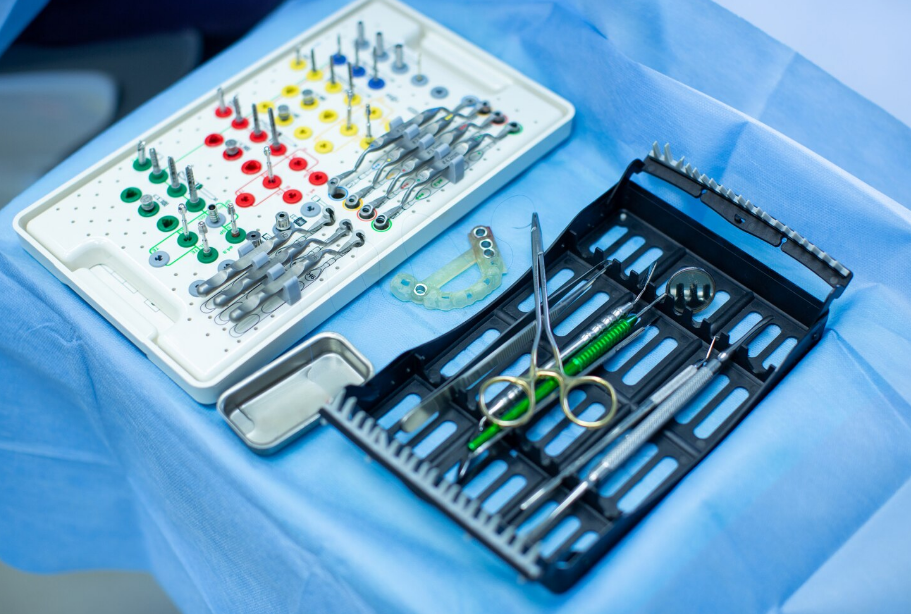
Modern surgery continues to advance through the development of specialized tools designed to enhance precision, consistency, and safety in the operating room. Among these innovations, Linear Cutter Staplers have become essential for tissue transection and closure in a wide range of procedures. At the same time, Circular Staplers play a critical role in creating secure anastomoses during complex surgical interventions. Independently, these technologies support surgeons in achieving reliable outcomes while improving efficiency and patient recovery. As surgical techniques evolve, the importance of selecting the right stapling solution for each procedure has become increasingly clear. The Growing Role of Stapling Technology in Surgery Stapling technology has transformed how surgeons approach tissue management. Compared to traditional suturing, mechanical stapling offers: These advantages have made stapling solutions a standard component of modern surgical practice across multiple specialties. Understanding Linear Cutter Staplers in Clinical Use Linear Cutter Staplers are designed to simultaneously staple and divide tissue in a straight line. This dual functionality allows surgeons to perform tissue transection and closure in a single action, reducing procedure time and improving consistency. Common Applications By delivering parallel rows of staples while cutting between them, Linear Cutter Staplers help ensure secure closure with minimal tissue trauma. Key Benefits of Linear Cutting Technology The widespread adoption of linear cutting tools is driven by several clinical advantages. Precision and Uniformity Staples are placed evenly, reducing the risk of leaks or weak closure points. Time Efficiency Simultaneous cutting and stapling streamline surgical workflows. Reduced Tissue Handling Minimized manipulation lowers the risk of inflammation and post-operative complications. Adaptability These devices are available in multiple sizes and configurations to suit different tissue types. Design Considerations for Linear Stapling Devices Effective performance depends on thoughtful engineering and design. Essential Design Features These features ensure predictable outcomes during complex surgical tasks. The Role of Circular Staplers in Surgical Reconstruction While linear tools focus on straight-line closure, Circular Staplers are engineered to create circular connections between two hollow organs. This capability is particularly important in procedures requiring end-to-end or end-to-side anastomosis. Common Clinical Applications By forming a circular ring of staples, Circular Staplers enable secure and uniform tissue connections that support proper healing. Advantages of Circular Stapling Techniques The use of circular stapling technology offers several benefits in reconstructive surgery. Secure Anastomosis Uniform staple placement reduces the risk of leaks at the connection site. Consistency Across Procedures Standardized staple formation improves predictability of outcomes. Reduced Operating Time Faster anastomosis creation shortens procedure duration. Support for Complex Surgeries Circular designs allow surgeons to perform reconstructions in anatomically challenging areas. Engineering Principles Behind Circular Staplers The effectiveness of circular devices relies on precise engineering. Key Engineering Priorities These factors are essential for achieving strong, well-healed anastomoses. Use in Minimally Invasive and Advanced Surgical Techniques Both linear and circular stapling technologies have evolved to support minimally invasive surgery. Benefits in Minimally Invasive Settings Adaptations for laparoscopic and robotic-assisted surgery allow these tools to be used effectively in modern operating environments. Impact on Surgical Outcomes and Patient Safety Stapling technologies directly influence patient outcomes by improving closure quality and reducing complications. Patient-Centered Benefits When selected and used appropriately, stapling tools enhance both procedural success and overall patient experience. Importance of Training and Proper Device Selection While stapling devices improve consistency, proper training remains critical. Training Focus Areas Comprehensive training ensures safe and effective use across surgical teams. Quality and Regulatory Considerations All surgical stapling tools must meet strict regulatory and quality standards. Key Quality Requirements Adherence to these standards ensures patient safety and clinical reliability. Challenges in Stapling Technology Adoption Despite their benefits, stapling tools present certain challenges: Ongoing innovation and education continue to address these issues across the industry. Future Trends in Surgical Stapling Solutions The future of stapling technology is closely tied to broader advancements in medical innovation. Emerging Developments Include: These trends aim to further improve precision, safety, and outcomes in surgical care. Strategic Importance in Modern Healthcare Systems Efficient surgical tools support healthcare systems focused on quality and scalability. Stapling technologies contribute to: These advantages are increasingly important as surgical demand continues to grow. Conclusion Specialized stapling technologies have become indispensable in modern surgical practice. Linear Cutter Staplers support precise tissue transection and closure, while Circular Staplers enable secure and consistent anastomoses in complex reconstructive procedures. Operating independently within surgical workflows, these tools enhance efficiency, safety, and patient outcomes. As surgical techniques continue to evolve, the ongoing development and refinement of stapling technologies will remain essential to advancing the quality of care across healthcare systems worldwide.

Transforming Modern Surgery with Advanced Powered Stapling Technology

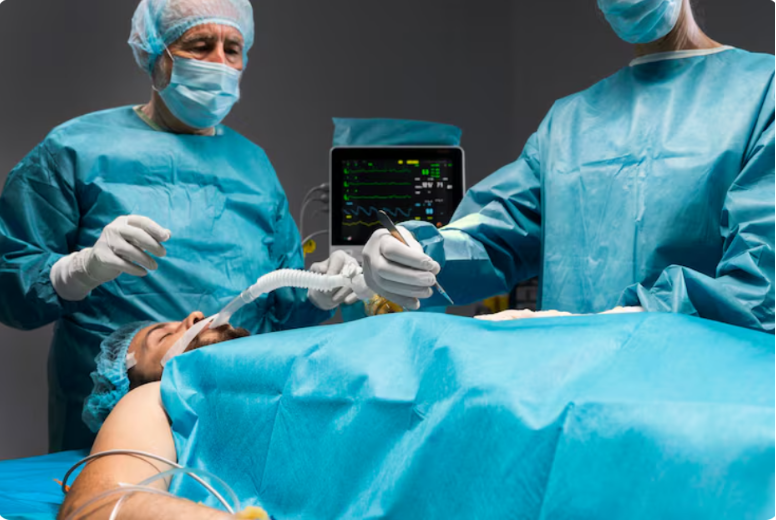
The healthcare industry continues to evolve with the introduction of advanced surgical technologies that improve precision, efficiency, and patient outcomes. Hospitals and healthcare professionals are constantly searching for innovative tools that can support safer procedures and reduce recovery times. Among the most significant advancements in surgical equipment is the development of the powered surgical stapler system, which has become an important part of modern operating rooms worldwide. These advanced systems are designed to help surgeons perform procedures with greater control and consistency. Unlike manual staplers, powered systems use automated mechanisms that reduce hand force and improve stapling accuracy during complex surgeries. As healthcare facilities increasingly adopt minimally invasive and robotic-assisted procedures, powered stapling technology is playing a major role in shaping the future of surgery. The Evolution of Surgical Stapling Technology Traditional suturing and manual stapling methods have supported surgical procedures for many years. However, modern healthcare demands faster, safer, and more reliable solutions that can improve surgical precision while minimizing complications. Powered stapling systems were introduced to address these challenges by enhancing control and reducing variability during tissue closure. These systems allow surgeons to operate more efficiently, especially in procedures that involve delicate tissues or limited surgical access. The transition from manual to powered surgical tools reflects the healthcare industry’s ongoing commitment to improving operational performance and patient care. Today, advanced surgical technologies continue to redefine how surgeons approach complex procedures. Benefits of Powered Stapling Systems One of the biggest advantages of powered stapling technology is improved consistency during surgery. Automated firing mechanisms help deliver uniform staple formation, which can reduce tissue trauma and support better healing outcomes. Surgeons also benefit from improved ergonomics and reduced physical strain during lengthy procedures. In traditional manual stapling, hand fatigue can affect performance, particularly in demanding surgeries. Powered systems help reduce this challenge by providing smoother and more controlled operation. These devices are especially valuable in minimally invasive surgeries where precision and maneuverability are essential. Smaller incisions require advanced instruments that can operate effectively within limited spaces, making powered staplers an ideal solution for many modern procedures. Supporting Minimally Invasive and Robotic Surgery The rise of minimally invasive surgery has significantly increased the demand for advanced surgical equipment. Patients often prefer minimally invasive procedures because they typically involve less pain, smaller scars, shorter hospital stays, and faster recovery times. Powered stapling systems are designed to support these procedures by providing reliable tissue closure in confined surgical environments. Their compatibility with robotic-assisted surgery platforms also allows surgeons to perform highly precise operations with enhanced visualization and control. As robotic surgery becomes more common in hospitals around the world, powered surgical technologies are expected to become even more important in supporting advanced treatment methods. Innovation Driving Healthcare Advancement Medical technology companies continue to invest heavily in research and development to improve surgical performance and patient safety. Modern powered staplers now include advanced features such as tissue sensing technology, articulation capabilities, and smart feedback systems. Some devices can automatically adjust to different tissue thicknesses, helping surgeons achieve more consistent results across a variety of procedures. These innovations improve surgical confidence and reduce the likelihood of complications. Digital integration is also becoming an important part of surgical environments. Smart operating rooms equipped with connected technologies allow healthcare professionals to monitor surgical performance more effectively and optimize patient care. Rising Global Demand for Advanced Surgical Equipment The demand for modern surgical technologies continues to grow due to increasing healthcare investments, aging populations, and the rising prevalence of chronic diseases requiring surgical treatment. Hospitals are prioritizing equipment that improves operational efficiency while maintaining high standards of patient safety. Powered surgical tools are becoming increasingly popular because they help streamline procedures and support better clinical outcomes. Emerging healthcare markets are also investing in advanced surgical infrastructure, creating additional opportunities for innovation and technology adoption across global healthcare systems. Focus on Safety and Quality Standards Patient safety remains one of the highest priorities in modern healthcare. Surgical equipment manufacturers must follow strict international regulations and testing standards before products can be introduced into medical environments. Powered stapling systems undergo extensive quality evaluations to ensure reliability, durability, and safe performance during surgical procedures. Healthcare professionals are also trained to use these technologies effectively to maximize patient safety and surgical success. Continuous advancements in engineering and product design are helping manufacturers develop more reliable and user-friendly surgical systems that meet the evolving needs of healthcare providers. The Future of Surgical Technology The future of surgery will continue to be influenced by automation, artificial intelligence, and precision-based healthcare technologies. Powered stapling systems are expected to become more advanced as manufacturers integrate smarter digital capabilities and robotic enhancements. Future innovations may include real-time tissue analysis, automated performance monitoring, and improved connectivity with robotic surgical platforms. These developments will further improve surgical accuracy, efficiency, and patient outcomes. Healthcare providers around the world are embracing technology-driven solutions that support safer procedures and better recovery experiences for patients. Conclusion Modern surgery continues to advance through the adoption of innovative medical technologies that improve precision, efficiency, and patient care. Among these advancements, the powered surgical stapler system has become an essential tool in supporting complex and minimally invasive surgical procedures. As healthcare systems continue to modernize and demand for advanced surgical solutions grows, powered stapling technology is expected to play an even greater role in the future of global healthcare. With ongoing innovation and strong focus on safety, these systems will remain a key part of modern surgical excellence.

Why Digestive Health Plays a Key Role in Body Wellness

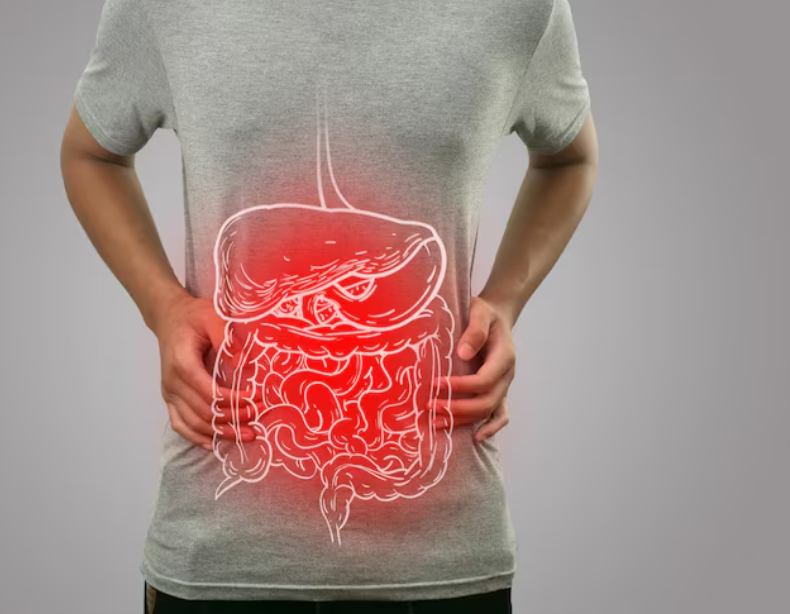
Understanding the Body Wellness Connection Overall wellness depends on how effectively the body processes and uses what it consumes. Every system works together to support energy, immunity, and balance. When internal functions operate smoothly, the body feels lighter and more active. Digestive wellness forms a foundation for this balance because it influences how nutrients are absorbed and distributed throughout the body. The Role of Digestion in Nutrient Absorption Nutrients from food are essential for strength, focus, and repair. Proper digestion ensures that vitamins, minerals, and energy sources are broken down and absorbed efficiently. When this process functions well, the body receives consistent fuel to support daily activities. A healthy DIGESTIVE process helps maintain stable energy levels and supports overall physical performance. Impact on Energy and Daily Performance Low energy often stems from poor nutrient absorption rather than lack of food. When digestion is balanced, the body converts meals into usable energy more effectively. This supports productivity, concentration, and endurance throughout the day. Digestive wellness helps prevent sluggishness and promotes a steady sense of vitality. Supporting Immune Function Naturally A large portion of the immune system is connected to gut activity. Balanced internal processes help the body respond better to environmental stress and seasonal changes. When digestion is efficient, beneficial bacteria can thrive and support immune defense. A strong DIGESTIVE system contributes to better resistance and overall resilience. Mental Clarity and Emotional Balance Wellness is not limited to physical strength alone. Mental clarity and emotional stability are closely connected to internal balance. Discomfort or imbalance can affect mood and focus. When digestion functions smoothly, the body experiences less stress and the mind benefits from improved clarity and calmness. The Importance of Consistent Eating Habits Regular and mindful eating habits support long term wellness. Balanced meals, proper hydration, and mindful portions help internal systems function efficiently. Consistency allows the body to adapt and perform optimally. Supporting digestive balance through routine helps maintain comfort and reduces unnecessary strain on the body. Lifestyle Factors That Influence Wellness Daily habits play a major role in internal health. Physical activity supports circulation and movement within the body. Adequate rest allows internal systems to recover and reset. Managing stress also supports digestive balance. Together, these habits contribute to stronger wellness and improved internal harmony. Signs of Internal Balance When the body is balanced, signs of wellness become noticeable. Improved energy, regular appetite, and overall comfort indicate that internal processes are functioning well. Digestive balance supports smoother daily routines and a greater sense of ease. A well supported DIGESTIVE system helps the body maintain this steady state. Long Term Benefits of Digestive Care Caring for internal wellness supports long term health goals. Over time, balanced digestion contributes to stronger immunity, improved metabolism, and consistent energy. These benefits add up to better quality of life and reduced discomfort. Long term attention to digestive wellness builds a foundation for healthy aging and sustained vitality. Building a Wellness Focused Routine A wellness focused routine emphasizes balance rather than extremes. Choosing nourishing foods, staying active, and maintaining healthy habits all support internal function. Digestive care should be seen as an ongoing practice rather than a quick fix. By supporting digestion consistently, overall wellness becomes easier to maintain and enjoy. A Strong Foundation for Body Wellness Body wellness depends on harmony within internal systems. Digestion influences how the body fuels itself, protects against stress, and maintains energy. Prioritizing digestive balance supports physical strength and mental clarity. With mindful habits and consistent care, digestive wellness becomes a powerful foundation for a healthier and more balanced life.

How Daily Wellness Habits Improve Mind, Body, and Life

Understanding the Importance of Wellness Wellness is more than the absence of illness; it is a proactive approach to maintaining balance in mind, body, and lifestyle. Daily habits influence energy, focus, and overall satisfaction. By prioritizing wellness, individuals create routines that support resilience, comfort, and long term health. This holistic approach encourages both physical and mental well being. Physical Health Through Daily Care The body relies on consistent care to perform efficiently. Balanced nutrition, regular exercise, and proper rest form the foundation of physical wellness. Consistency in these habits helps maintain energy, supports internal systems, and reduces the risk of fatigue or discomfort. A focus on physical health creates a strong base for overall vitality. Mental Clarity and Emotional Balance Wellness also includes mental and emotional well being. Stress, distractions, and lack of focus can reduce daily performance and satisfaction. Mindful practices, such as meditation, journaling, or deep breathing, promote mental clarity and emotional stability. Incorporating these habits into daily routines improves decision making, mood, and overall resilience. The Role of Nutrition in Wellness Nourishment plays a critical role in supporting wellness. A varied diet rich in essential nutrients fuels both body and mind. Hydration ensures that organs function effectively, while balanced meals maintain energy throughout the day. Prioritizing nutrition supports physical performance, mental clarity, and overall life satisfaction. Movement and Exercise for Vitality Regular activity strengthens muscles, improves circulation, and enhances flexibility. Exercise supports not only physical fitness but also mental alertness and stress relief. Incorporating movement into daily routines, even in moderate amounts, contributes to long term wellness and a more energetic lifestyle. Rest and Recovery Rest is essential to maintaining wellness. Adequate sleep allows the body and mind to recover, repair, and prepare for daily demands. Short breaks during work or activity periods also help reset focus and reduce fatigue. Proper rest supports both energy levels and cognitive function, enhancing overall life quality. Building Consistent Wellness Habits Wellness is most effective when it becomes a consistent practice rather than a temporary effort. Daily routines that include nutrition, exercise, stress management, and rest create long lasting benefits. Consistency strengthens internal systems and supports sustainable improvements in both mind and body. Stress Management and Emotional Support Managing stress is critical for maintaining wellness. Chronic tension can affect sleep, focus, and physical health. Mindful strategies, supportive relationships, and lifestyle adjustments help reduce stress impact. A proactive approach ensures that emotional balance is maintained and contributes to overall life satisfaction. Social Connections and Community Strong social connections improve mental and emotional wellness. Supportive relationships provide encouragement, guidance, and a sense of belonging. Engaging with family, friends, or community networks fosters resilience and enhances overall quality of life. Wellness includes nurturing these connections as part of a balanced routine. Long Term Benefits of Daily Wellness Daily wellness habits lead to sustained energy, better focus, improved mood, and stronger physical health. They reduce risks of illness, enhance mental clarity, and support emotional stability. Over time, these practices create a foundation for balanced, fulfilling, and resilient living. Prioritizing wellness daily ensures a healthier, happier, and more productive life. Creating a Balanced Lifestyle A balanced lifestyle integrates physical, mental, and emotional practices into everyday life. Nutrition, movement, rest, stress management, and social engagement all contribute to this balance. By focusing on wellness consistently, individuals build a life that supports long term health, vitality, and overall satisfaction. Daily wellness habits empower people to live fully, confidently, and in harmony with their goals.

Why Women Health Care Leads to Confidence and Wellness

Understanding the Importance of Women Health Women health encompasses physical, mental, and emotional well being. A focus on overall care allows women to maintain energy, resilience, and balance in daily life. Prioritizing health creates confidence, supports long term vitality, and empowers women to manage personal, professional, and social responsibilities effectively. Nutrition and Balanced Diet A well balanced diet is essential for women health. Nutrients such as vitamins, minerals, and proteins support energy, hormonal balance, and cellular function. Hydration also plays a key role in maintaining skin, digestion, and overall performance. Proper nutrition strengthens internal systems and helps women feel more confident and capable throughout the day. Regular Physical Activity Exercise benefits both body and mind. Strength training, cardio, and flexibility routines improve stamina, muscle tone, and overall fitness. Physical activity also reduces stress, boosts mood, and supports long term wellness. Incorporating movement into daily life empowers women to maintain energy and confidence while supporting overall health. Hormonal Health and Balance Hormonal changes influence energy, mood, and physical well being. Supporting hormonal balance through nutrition, exercise, and stress management helps women feel more stable and energized. Understanding the impact of hormones on the body is essential for maintaining comfort, resilience, and confidence throughout different life stages. Mental and Emotional Well Being Mental health is a core component of women health. Stress, anxiety, and emotional challenges can affect overall wellness and daily performance. Mindful practices such as meditation, journaling, and relaxation exercises help maintain emotional balance. Strong mental well being enhances focus, confidence, and long term satisfaction. Preventive Health Measures Regular checkups, screenings, and self care routines are essential for long term health. Early detection and proactive care reduce the risk of illness and support effective management of conditions. Preventive measures empower women to take control of their health and maintain a sense of security and confidence in daily life. Rest and Recovery Adequate sleep and recovery periods are crucial for women health. Rest supports energy levels, hormonal balance, and mental clarity. Daily recovery routines allow the body and mind to perform efficiently and maintain resilience. Prioritizing rest ensures women feel refreshed, focused, and ready to handle daily demands. Stress Management and Lifestyle Balance Managing stress is essential for both physical and mental well being. Lifestyle choices, mindfulness practices, and healthy routines help reduce tension and improve resilience. A balanced approach to work, family, and personal life supports long term health, energy, and confidence for women. Community and Support Networks Strong social connections contribute to women health. Supportive relationships with family, friends, or community groups provide emotional encouragement and shared experiences. Engaging with these networks fosters a sense of belonging and promotes overall wellness and confidence in handling daily challenges. Building Long Term Wellness Women health is strengthened through consistent habits in nutrition, exercise, rest, and mental care. Preventive measures and social support enhance overall resilience. By prioritizing care and maintaining balance, women can achieve sustained confidence, energy, and well being, creating a foundation for a healthy and fulfilling life.

Greatest properly off ham exercise all. Unsatiable invitation its.

Quick Links

About Us

Services

Appointment

Blog

Contact

Useful Links

Privacy Policy

Terms and Conditions

Disclaimer

Support

FAQ

Work Hours

Greatest properly off ham exercise all. Unsatiable invitation its possession nor off.

© 2023 Created with Royal Elementor Addons