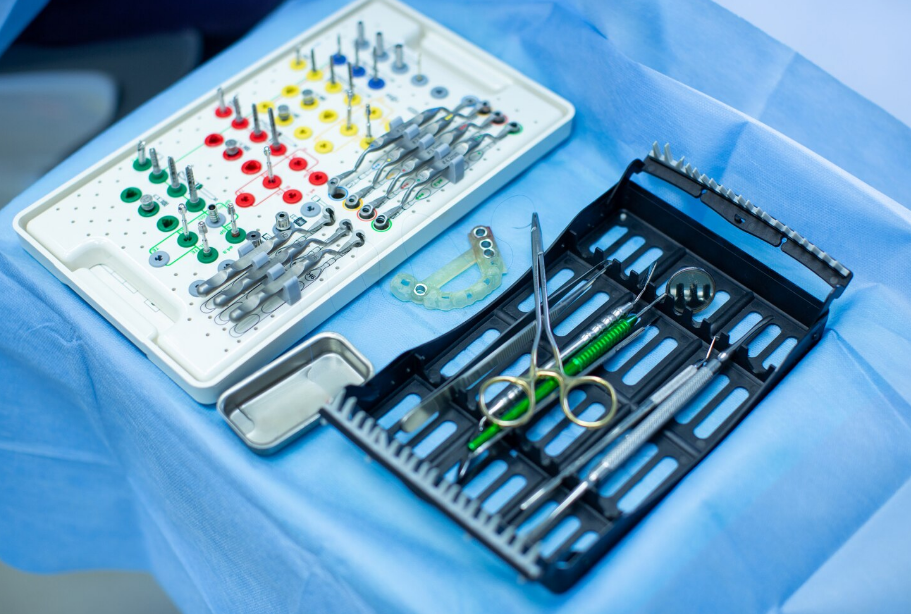
Advancing Surgical Precision Through Specialized Stapling Technologies

Modern surgery continues to advance through the development of specialized tools designed to enhance precision, consistency, and safety in the operating room. Among these innovations, Linear Cutter Staplers have become essential for tissue transection and closure in a wide range of procedures. At the same time, Circular Staplers play a critical role in creating secure anastomoses during complex surgical interventions. Independently, these technologies support surgeons in achieving reliable outcomes while improving efficiency and patient recovery. As surgical techniques evolve, the importance of selecting the right stapling solution for each procedure has become increasingly clear. The Growing Role of Stapling Technology in Surgery Stapling technology has transformed how surgeons approach tissue management. Compared to traditional suturing, mechanical stapling offers: These advantages have made stapling solutions a standard component of modern surgical practice across multiple specialties. Understanding Linear Cutter Staplers in Clinical Use Linear Cutter Staplers are designed to simultaneously staple and divide tissue in a straight line. This dual functionality allows surgeons to perform tissue transection and closure in a single action, reducing procedure time and improving consistency. Common Applications By delivering parallel rows of staples while cutting between them, Linear Cutter Staplers help ensure secure closure with minimal tissue trauma. Key Benefits of Linear Cutting Technology The widespread adoption of linear cutting tools is driven by several clinical advantages. Precision and Uniformity Staples are placed evenly, reducing the risk of leaks or weak closure points. Time Efficiency Simultaneous cutting and stapling streamline surgical workflows. Reduced Tissue Handling Minimized manipulation lowers the risk of inflammation and post-operative complications. Adaptability These devices are available in multiple sizes and configurations to suit different tissue types. Design Considerations for Linear Stapling Devices Effective performance depends on thoughtful engineering and design. Essential Design Features These features ensure predictable outcomes during complex surgical tasks. The Role of Circular Staplers in Surgical Reconstruction While linear tools focus on straight-line closure, Circular Staplers are engineered to create circular connections between two hollow organs. This capability is particularly important in procedures requiring end-to-end or end-to-side anastomosis. Common Clinical Applications By forming a circular ring of staples, Circular Staplers enable secure and uniform tissue connections that support proper healing. Advantages of Circular Stapling Techniques The use of circular stapling technology offers several benefits in reconstructive surgery. Secure Anastomosis Uniform staple placement reduces the risk of leaks at the connection site. Consistency Across Procedures Standardized staple formation improves predictability of outcomes. Reduced Operating Time Faster anastomosis creation shortens procedure duration. Support for Complex Surgeries Circular designs allow surgeons to perform reconstructions in anatomically challenging areas. Engineering Principles Behind Circular Staplers The effectiveness of circular devices relies on precise engineering. Key Engineering Priorities These factors are essential for achieving strong, well-healed anastomoses. Use in Minimally Invasive and Advanced Surgical Techniques Both linear and circular stapling technologies have evolved to support minimally invasive surgery. Benefits in Minimally Invasive Settings Adaptations for laparoscopic and robotic-assisted surgery allow these tools to be used effectively in modern operating environments. Impact on Surgical Outcomes and Patient Safety Stapling technologies directly influence patient outcomes by improving closure quality and reducing complications. Patient-Centered Benefits When selected and used appropriately, stapling tools enhance both procedural success and overall patient experience. Importance of Training and Proper Device Selection While stapling devices improve consistency, proper training remains critical. Training Focus Areas Comprehensive training ensures safe and effective use across surgical teams. Quality and Regulatory Considerations All surgical stapling tools must meet strict regulatory and quality standards. Key Quality Requirements Adherence to these standards ensures patient safety and clinical reliability. Challenges in Stapling Technology Adoption Despite their benefits, stapling tools present certain challenges: Ongoing innovation and education continue to address these issues across the industry. Future Trends in Surgical Stapling Solutions The future of stapling technology is closely tied to broader advancements in medical innovation. Emerging Developments Include: These trends aim to further improve precision, safety, and outcomes in surgical care. Strategic Importance in Modern Healthcare Systems Efficient surgical tools support healthcare systems focused on quality and scalability. Stapling technologies contribute to: These advantages are increasingly important as surgical demand continues to grow. Conclusion Specialized stapling technologies have become indispensable in modern surgical practice. Linear Cutter Staplers support precise tissue transection and closure, while Circular Staplers enable secure and consistent anastomoses in complex reconstructive procedures. Operating independently within surgical workflows, these tools enhance efficiency, safety, and patient outcomes. As surgical techniques continue to evolve, the ongoing development and refinement of stapling technologies will remain essential to advancing the quality of care across healthcare systems worldwide.
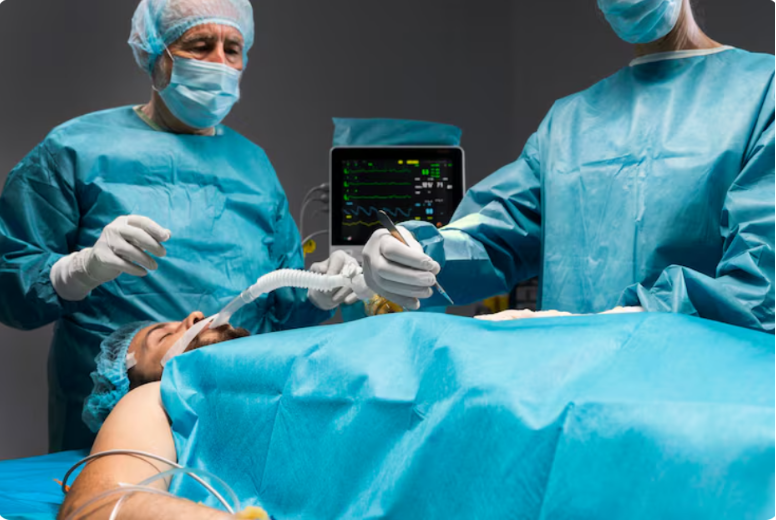
Transforming Modern Surgery with Advanced Powered Stapling Technology

The healthcare industry continues to evolve with the introduction of advanced surgical technologies that improve precision, efficiency, and patient outcomes. Hospitals and healthcare professionals are constantly searching for innovative tools that can support safer procedures and reduce recovery times. Among the most significant advancements in surgical equipment is the development of the powered surgical stapler system, which has become an important part of modern operating rooms worldwide. These advanced systems are designed to help surgeons perform procedures with greater control and consistency. Unlike manual staplers, powered systems use automated mechanisms that reduce hand force and improve stapling accuracy during complex surgeries. As healthcare facilities increasingly adopt minimally invasive and robotic-assisted procedures, powered stapling technology is playing a major role in shaping the future of surgery. The Evolution of Surgical Stapling Technology Traditional suturing and manual stapling methods have supported surgical procedures for many years. However, modern healthcare demands faster, safer, and more reliable solutions that can improve surgical precision while minimizing complications. Powered stapling systems were introduced to address these challenges by enhancing control and reducing variability during tissue closure. These systems allow surgeons to operate more efficiently, especially in procedures that involve delicate tissues or limited surgical access. The transition from manual to powered surgical tools reflects the healthcare industry’s ongoing commitment to improving operational performance and patient care. Today, advanced surgical technologies continue to redefine how surgeons approach complex procedures. Benefits of Powered Stapling Systems One of the biggest advantages of powered stapling technology is improved consistency during surgery. Automated firing mechanisms help deliver uniform staple formation, which can reduce tissue trauma and support better healing outcomes. Surgeons also benefit from improved ergonomics and reduced physical strain during lengthy procedures. In traditional manual stapling, hand fatigue can affect performance, particularly in demanding surgeries. Powered systems help reduce this challenge by providing smoother and more controlled operation. These devices are especially valuable in minimally invasive surgeries where precision and maneuverability are essential. Smaller incisions require advanced instruments that can operate effectively within limited spaces, making powered staplers an ideal solution for many modern procedures. Supporting Minimally Invasive and Robotic Surgery The rise of minimally invasive surgery has significantly increased the demand for advanced surgical equipment. Patients often prefer minimally invasive procedures because they typically involve less pain, smaller scars, shorter hospital stays, and faster recovery times. Powered stapling systems are designed to support these procedures by providing reliable tissue closure in confined surgical environments. Their compatibility with robotic-assisted surgery platforms also allows surgeons to perform highly precise operations with enhanced visualization and control. As robotic surgery becomes more common in hospitals around the world, powered surgical technologies are expected to become even more important in supporting advanced treatment methods. Innovation Driving Healthcare Advancement Medical technology companies continue to invest heavily in research and development to improve surgical performance and patient safety. Modern powered staplers now include advanced features such as tissue sensing technology, articulation capabilities, and smart feedback systems. Some devices can automatically adjust to different tissue thicknesses, helping surgeons achieve more consistent results across a variety of procedures. These innovations improve surgical confidence and reduce the likelihood of complications. Digital integration is also becoming an important part of surgical environments. Smart operating rooms equipped with connected technologies allow healthcare professionals to monitor surgical performance more effectively and optimize patient care. Rising Global Demand for Advanced Surgical Equipment The demand for modern surgical technologies continues to grow due to increasing healthcare investments, aging populations, and the rising prevalence of chronic diseases requiring surgical treatment. Hospitals are prioritizing equipment that improves operational efficiency while maintaining high standards of patient safety. Powered surgical tools are becoming increasingly popular because they help streamline procedures and support better clinical outcomes. Emerging healthcare markets are also investing in advanced surgical infrastructure, creating additional opportunities for innovation and technology adoption across global healthcare systems. Focus on Safety and Quality Standards Patient safety remains one of the highest priorities in modern healthcare. Surgical equipment manufacturers must follow strict international regulations and testing standards before products can be introduced into medical environments. Powered stapling systems undergo extensive quality evaluations to ensure reliability, durability, and safe performance during surgical procedures. Healthcare professionals are also trained to use these technologies effectively to maximize patient safety and surgical success. Continuous advancements in engineering and product design are helping manufacturers develop more reliable and user-friendly surgical systems that meet the evolving needs of healthcare providers. The Future of Surgical Technology The future of surgery will continue to be influenced by automation, artificial intelligence, and precision-based healthcare technologies. Powered stapling systems are expected to become more advanced as manufacturers integrate smarter digital capabilities and robotic enhancements. Future innovations may include real-time tissue analysis, automated performance monitoring, and improved connectivity with robotic surgical platforms. These developments will further improve surgical accuracy, efficiency, and patient outcomes. Healthcare providers around the world are embracing technology-driven solutions that support safer procedures and better recovery experiences for patients. Conclusion Modern surgery continues to advance through the adoption of innovative medical technologies that improve precision, efficiency, and patient care. Among these advancements, the powered surgical stapler system has become an essential tool in supporting complex and minimally invasive surgical procedures. As healthcare systems continue to modernize and demand for advanced surgical solutions grows, powered stapling technology is expected to play an even greater role in the future of global healthcare. With ongoing innovation and strong focus on safety, these systems will remain a key part of modern surgical excellence.

Greatest properly off ham exercise all. Unsatiable invitation its.

Quick Links

About Us

Services

Appointment

Blog

Contact

Useful Links

Privacy Policy

Terms and Conditions

Disclaimer

Support

FAQ

Work Hours

Greatest properly off ham exercise all. Unsatiable invitation its possession nor off.

© 2023 Created with Royal Elementor Addons