
National health club chains have become an important part of the modern fitness industry, giving members access to recognizable brands, standardized services, multiple locations, and different types of exercise facilities. From affordable gyms and 24-hour fitness centers to premium health clubs and specialized training studios, national brands serve a wide range of customers. The United States fitness industry reached record participation levels in 2025, with approximately 81 million Americans holding a gym membership, according to the Health & Fitness Association.
What Is a National Health Club Chain?
A national health club chain is a fitness company or brand that operates multiple locations across a large geographic area, usually throughout several states or regions. Some companies own their facilities directly, while others rely heavily on franchisees or a combination of corporate and franchise locations.
The main purpose of a national fitness brand is to provide a consistent experience across different locations. However, services, equipment, membership prices, operating hours, and amenities can still vary between individual clubs.
National fitness brands may include traditional gyms, full-service health clubs, low-cost fitness centers, boutique studios, athletic clubs, and specialized exercise businesses.
Common Characteristics
National health club brands often have several characteristics in common:
- Multiple locations across different states or regions
- Recognizable brand identity
- Standardized membership programs
- Centralized marketing and technology
- Mobile applications or online member platforms
- Different membership levels
- Fitness equipment and training services
- Franchise or corporate ownership structures
- Brand-wide customer service policies
- Opportunities to use multiple locations
These characteristics can make large fitness brands attractive to people who travel frequently or move between cities.
Why Are National Fitness Brands Popular?
The growth of large fitness brands is connected to convenience, accessibility, changing exercise preferences, and increased interest in personal health. The U.S. fitness industry had more than 55,000 facilities according to 2026 Health & Fitness Association market data, while membership reached a record level in 2025.
Large chains can make fitness more convenient because members may be able to access a gym near home, work, or while traveling.
Convenience and Accessibility
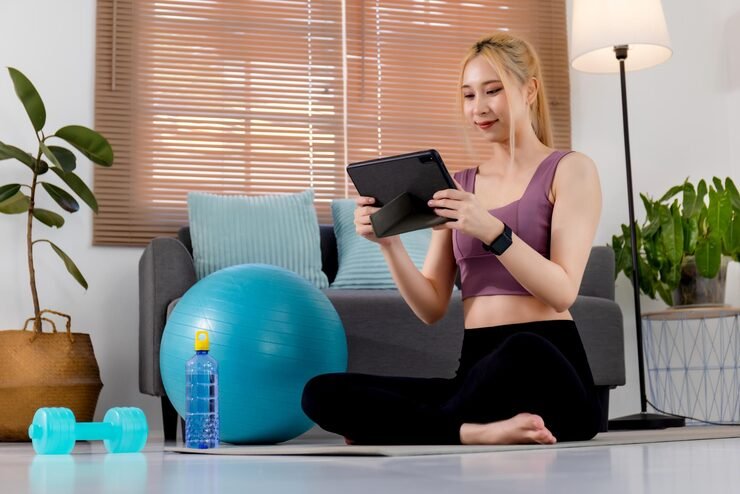
Location is one of the most important factors when choosing a gym. A person may prefer a brand with many locations because it provides greater flexibility.
For example, someone who travels regularly for work may value a membership that allows access to clubs in different cities.
Familiar Membership Experience
Large brands often use standardized membership structures. Members can become familiar with the company’s application, check-in process, equipment layout, and policies.
However, standardization does not necessarily mean every location is identical.
Different Price Levels
The national fitness market includes affordable, mid-market, and premium operators. This gives consumers options based on their budgets and desired amenities.
| Fitness Segment | Typical Features | Common Customer Priorities |
|---|---|---|
| Budget gyms | Basic equipment, large facilities | Affordability and convenience |
| Mid-market clubs | Equipment, classes, additional amenities | Variety and value |
| Premium clubs | Extensive amenities and services | Experience and facilities |
| Boutique studios | Specialized classes | Coaching and community |
| Athletic clubs | Fitness and recreational facilities | Comprehensive services |
Major Types of National Health Clubs
Not every large fitness brand operates in the same way. Understanding the different categories can make it easier to compare facilities.
High-Volume Low-Price Gyms
High-volume low-price, often called HVLP, gyms focus on offering relatively affordable memberships and large equipment selections.
Planet Fitness is one prominent example of this business model. The Health & Fitness Association identifies Planet Fitness as a leading operator in the HVLP segment.
These gyms commonly emphasize:
- Cardio equipment
- Strength machines
- Free weights
- Functional training
- Large club footprints
- Flexible membership options
- Basic amenities
24-Hour Fitness Clubs
Some national brands focus on convenient access, including extended or 24-hour operating models.
Anytime Fitness is a major example. The 2026 HFA North America report lists thousands of Anytime Fitness locations across the region.
This type of gym can appeal to people with unconventional schedules, travelers, shift workers, and members who prefer exercising outside traditional business hours.
Full-Service Health Clubs
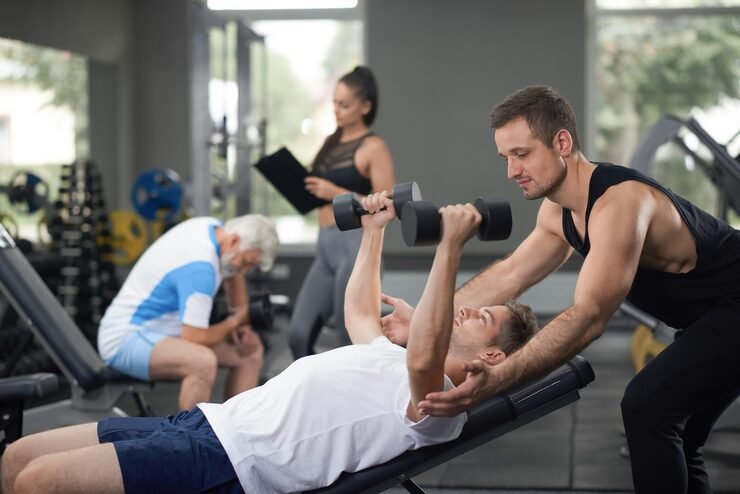
Full-service health clubs generally offer more than basic exercise equipment. Depending on the brand and location, they may include pools, sports courts, group fitness rooms, childcare, personal training, locker-room amenities, and recovery services.
These facilities can be suitable for individuals and families looking for multiple recreational and wellness services under one membership.
Boutique Fitness Brands
Boutique fitness companies specialize in particular workout formats rather than providing every type of gym equipment.
Examples include Pilates, barre, functional training, cycling, HIIT, yoga, and other instructor-led formats.
The Health & Fitness Association’s 2026 North America report shows that studio brands represent a significant portion of the region’s fitness market.
How Large Are National Gym Chains?
The scale of the U.S. fitness market varies depending on how facilities are counted and whether franchises, studios, nonprofit organizations, and specialized businesses are included.
Different 2026 datasets produce different location counts because they use different definitions and collection methods. For example, industry reporting identifies thousands of locations for major operators such as Planet Fitness and Anytime Fitness.
This is why consumers should be cautious when comparing rankings based solely on location counts.
| Brand or Operator | General Market Position | Business Format |
|---|---|---|
| Planet Fitness | Large national footprint | HVLP gym |
| Anytime Fitness | Large national and international footprint | 24-hour franchise gym |
| LA Fitness | Large multi-location operator | Full-service/mid-market club |
| Crunch Fitness | Expanding multi-location brand | Full-service and value-oriented gym |
| Gold’s Gym | Established international brand | Traditional fitness club |
| Life Time | Premium multi-location operator | Luxury athletic and lifestyle club |
| Orangetheory Fitness | Large studio network | Coach-led training |
| F45 Training | Large studio network | Functional group training |
These brands differ substantially in pricing, amenities, club design, training approach, and membership structure, so location count alone does not describe the overall member experience.
What Amenities Do National Health Clubs Offer?
Amenities vary considerably among fitness chains. A budget gym may concentrate on exercise equipment, while a premium athletic club may offer an extensive selection of recreational and wellness services.
Exercise Equipment
Most traditional fitness clubs provide some combination of:
- Treadmills
- Ellipticals
- Stationary bikes
- Rowing machines
- Cable machines
- Smith machines
- Free weights
- Resistance machines
- Functional training equipment
- Stretching areas
The exact equipment selection depends on the individual club.
Group Fitness Classes
Many health clubs provide group classes. Depending on the facility, members may find yoga, cycling, strength training, dance-based workouts, Pilates, HIIT, mobility sessions, or other formats.
Group classes can provide structure and social interaction while reducing the need for members to design every workout themselves.
Pools and Aquatic Facilities
Pools are generally more common at full-service athletic clubs than at low-cost gyms.
A club with a swimming pool may provide:
- Lap swimming
- Recreational swimming
- Water aerobics
- Swimming lessons
- Aquatic training
- Family swimming programs
However, pool availability should always be checked at the individual location.
Recovery and Wellness Amenities
Premium health clubs may provide additional services such as massage, saunas, steam rooms, recovery areas, stretching zones, and other wellness amenities.
These services can significantly influence membership costs.
National Chains vs. Independent Gyms
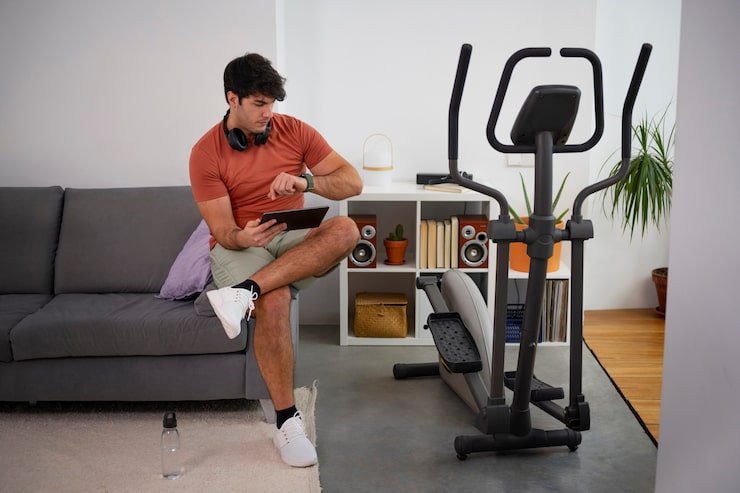
A national chain is not automatically better suited to every person. Independent gyms can provide different advantages, including specialized equipment, personalized service, or a strong local community.
National chains often have advantages related to scale, technology, marketing, and location availability. Independent gyms may have greater flexibility in creating a particular training environment.
Comparison of Fitness Options
| Factor | National Chain | Independent Gym |
|---|---|---|
| Number of locations | Usually many | Usually one or a few |
| Brand recognition | High | Usually local |
| Membership systems | Often standardized | More flexible |
| Equipment | Broad selection | Depends on facility |
| Mobile technology | Often available | Varies |
| Traveling members | Often better suited | Usually limited |
| Community atmosphere | Varies by location | Often locally focused |
| Pricing | Multiple tiers possible | Highly variable |
The right choice depends on an individual’s location, schedule, budget, exercise goals, and preferred environment.
What Should You Consider Before Joining?
Choosing a large fitness brand should involve more than looking at the monthly membership price.
Location
A convenient gym is generally easier to incorporate into a consistent routine. Consider whether the facility is close to home, work, school, or regular travel routes.
Membership Terms
Read the membership agreement carefully. Check initiation fees, annual fees, cancellation rules, guest policies, upgrade options, and access restrictions.
Equipment and Classes
Make sure the facility has the equipment and classes you actually intend to use. A large facility may have hundreds of machines but still lack a specific piece of equipment important to your training.
Peak Hours
A gym can feel very different during peak hours compared with quieter periods. If possible, visit the club around the time you normally plan to exercise.
Amenities
If a pool, sauna, basketball court, childcare service, or specific class is important, verify that the exact location offers it. National brands can have different amenities from one club to another.
The Role of Technology in Modern Health Clubs
Technology has become an increasingly important part of the fitness experience. Many major fitness companies use mobile applications for membership management, workout tracking, class reservations, digital training, and club access.
Digital services can also help members continue exercising outside the physical gym.
Fitness technology may include:
- Mobile check-in
- Workout tracking
- Digital workout programs
- Class booking
- Wearable integration
- Fitness assessments
- Online personal training
- Personalized recommendations
The combination of physical clubs and digital services has become an important part of the modern fitness industry.
Trends Shaping National Fitness Chains
The fitness industry continues to evolve as consumer preferences change. Recent industry research highlights strong participation, continued growth in strength training, interest in mind-body formats, active aging, social fitness, and technology-enabled experiences.
Strength Training
Resistance training remains an important part of modern gym programming. Free weights, machines, functional training areas, and strength-focused classes are increasingly common.
Personalized Fitness
Consumers increasingly expect fitness experiences that reflect their individual goals. Personal training, assessments, digital tracking, and customized programming can help clubs provide more individualized services.
Wellness Integration
Health clubs are increasingly expanding beyond conventional exercise. Recovery, mobility, nutrition, wellness, and preventive health concepts are becoming more visible throughout the industry.
Flexible Fitness
Consumers may combine traditional gyms with boutique studios, home workouts, outdoor exercise, and digital fitness services. This creates opportunities for fitness brands to offer flexible membership options.
Key Points to Remember
- National health clubs operate across multiple cities, states, or regions.
- Large fitness brands can provide greater location flexibility.
- The industry includes budget gyms, traditional clubs, premium athletic facilities, and boutique studios.
- Amenities vary considerably between brands and individual locations.
- Membership prices depend on the facility, location, services, and membership level.
- A national brand may use corporate-owned clubs, franchises, or a combination of both.
- Location count alone does not determine the quality or suitability of a fitness club.
- Pools, childcare, sports courts, and recovery amenities are more common at some full-service clubs than at budget gyms.
- Mobile applications and digital fitness services are increasingly important.
- Consumers should compare actual club amenities and membership terms before joining.
Frequently Asked Questions
1. What are national health club chains?
National health club chains are fitness brands that operate multiple facilities across a large geographic area, often throughout numerous states or regions. They may include traditional gyms, premium athletic clubs, boutique studios, and specialized fitness businesses.
2. What is the difference between a national gym and a local gym?
A national gym typically has multiple locations, a recognizable brand, standardized membership systems, and centralized services. A local gym usually operates in one community or a small geographic area and may offer a more locally focused experience.
3. Do all locations of a national fitness chain have the same amenities?
No. Individual locations can differ in equipment, classes, pools, operating hours, recovery services, and other amenities. Checking the specific club is important before purchasing a membership.
4. Are national health clubs expensive?
Membership prices vary significantly. Budget-oriented gyms can offer relatively inexpensive memberships, while premium athletic clubs may charge substantially more because they provide additional amenities and services. Location and membership level can also affect pricing.
5. How should I choose a national fitness club?
Start by comparing location, membership cost, operating hours, equipment, classes, amenities, cancellation policies, and the type of training you prefer. Visiting the club during your normal workout time can also help you determine whether the facility fits your routine.


1 Comment
[…] Read more: National Health Club Chains: A Complete Guide to Major Fitness Brands […]