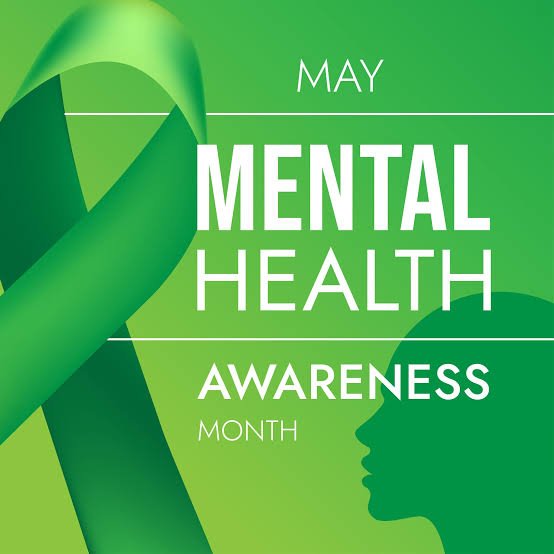
May Mental Health Awareness Month is an opportunity to highlight the importance of mental well-being, encourage open conversations, and help people understand the value of mental health support. Observed throughout May in the United States, this awareness initiative encourages individuals, families, schools, workplaces, and communities to recognize mental health challenges and reduce the stigma associated with seeking help.
Mental health affects how people think, feel, behave, communicate, and handle everyday situations. Everyone has mental health, and everyone can benefit from learning how to care for their emotional well-being. However, many people still hesitate to discuss psychological difficulties because of fear, misunderstanding, or social judgment.
Mental Health Awareness Month helps address these barriers by promoting education, compassion, early intervention, and access to professional services. It also provides an opportunity to recognize people living with mental health conditions and acknowledge the work of mental health professionals and support organizations.
This article explores the meaning of May Mental Health Awareness Month, its history, common themes, activities, and practical ways to participate.
What Is May Mental Health Awareness Month?
May Mental Health Awareness Month is an annual awareness observance dedicated to improving public understanding of mental health and encouraging people to prioritize emotional and psychological well-being.
It takes place every May in the United States. During the month, organizations and communities share educational information, organize events, promote mental health resources, and encourage conversations about conditions such as depression, anxiety, bipolar disorder, and post-traumatic stress disorder.
The main objectives include:
- Increasing awareness about mental health conditions.
- Reducing stigma and discrimination.
- Encouraging people to seek professional support.
- Promoting emotional wellness and healthy coping strategies.
- Supporting individuals and families affected by mental illness.
- Improving access to mental health education and services.
- Encouraging workplaces and schools to create supportive environments.
Mental Health Awareness Month is not limited to people diagnosed with mental health conditions. It is relevant to everyone because mental well-being is an important part of overall health.
When Is Mental Health Awareness Month?
Mental Health Awareness Month is observed every year throughout the month of May in the United States.
Mental Health Awareness Month 2027
Upcoming
May 1–31, 2027
The annual observance takes place throughout May.
Key message: Mental health matters every day, not just during one awareness month.
Although May is widely recognized as Mental Health Awareness Month in the United States, other countries may have different mental health awareness campaigns and observance dates.
For example, World Mental Health Day is observed internationally on October 10. Both initiatives encourage education, understanding, and better support for mental well-being.
History of Mental Health Awareness Month
Mental Health Awareness Month has a history connected to efforts to improve public understanding of mental illness and encourage better treatment and support.
In 1949, Mental Health America, originally known as the National Association for Mental Health, established May as Mental Health Awareness Month in the United States.
The initiative aimed to educate the public about mental health conditions, challenge harmful stereotypes, and encourage individuals to seek help when needed.
Over time, the observance expanded through participation from healthcare providers, nonprofit organizations, schools, workplaces, community groups, and government agencies.
Today, activities during May may include:
- Public awareness campaigns.
- Mental health education programs.
- Community discussions and workshops.
- Social media awareness posts.
- Fundraising activities.
- Mental health screenings and information sessions.
- Workplace wellness initiatives.
- Educational resources for families and students.
The observance continues to remind communities that mental health deserves the same attention, understanding, and care as physical health.
Why Is May Mental Health Awareness Month Important?
Mental health awareness is important because psychological well-being affects almost every area of daily life. It influences relationships, education, employment, decision-making, physical health, and personal development.
May provides an opportunity to discuss these issues openly and encourage people to recognize when professional support may be helpful.
Reduces Mental Health Stigma
Stigma can prevent individuals from discussing their experiences or seeking treatment. Some people fear being judged, misunderstood, or treated differently because of a mental health condition.
Awareness campaigns challenge these assumptions by sharing accurate information and encouraging respectful conversations.
Encourages Early Support
Recognizing mental health concerns early can help individuals access appropriate care before difficulties become more disruptive.
Persistent sadness, excessive worry, emotional withdrawal, and changes in sleep or behavior may be signs that someone could benefit from professional support.
Promotes Mental Health Education
Many people do not understand the differences between stress, anxiety, depression, and other mental health conditions.
Awareness initiatives provide opportunities to learn about symptoms, treatment options, coping strategies, and available support services.
Supports Individuals and Families
Mental health challenges can affect not only individuals but also their families, friends, and communities.
Awareness activities encourage people to listen without judgment, offer practical support, and understand the importance of professional treatment.
Encourages Better Workplace and School Environments
Schools and workplaces can influence emotional well-being. Mental health awareness encourages institutions to address bullying, excessive pressure, discrimination, and unhealthy environments.
Supportive policies and open communication can help people feel safer asking for assistance.
Common Mental Health Conditions Highlighted During May
Mental Health Awareness Month provides an opportunity to educate people about different psychological and behavioral health conditions.
| Mental health condition | Common signs or experiences |
|---|---|
| Depression | Persistent sadness, low energy, loss of interest |
| Anxiety disorders | Excessive worry, nervousness, fear, or panic |
| Bipolar disorder | Episodes of depression and mania or hypomania |
| Post-traumatic stress disorder | Trauma-related distress, avoidance, and heightened alertness |
| Obsessive-compulsive disorder | Unwanted intrusive thoughts and repetitive behaviors |
| Eating disorders | Disturbed eating patterns and concerns about food or body image |
| ADHD | Difficulties with attention, impulsivity, or hyperactivity |
| Schizophrenia | Changes in perception, thinking, and behavior |
These conditions are different, and symptoms can vary from person to person. A qualified healthcare professional can evaluate concerns and recommend suitable treatment.
May Mental Health Awareness Month Themes
Organizations may choose a different theme or campaign message each year to focus attention on a particular aspect of mental health.
Common themes include emotional wellness, breaking stigma, access to treatment, community support, workplace well-being, and mental health education.
Here are some examples of themes that organizations can use for their own awareness campaigns.
| Theme idea | Main message |
|---|---|
| Mental Health Matters | Everyone deserves emotional support |
| Break the Stigma | Encourage open and respectful conversations |
| You Are Not Alone | Promote connection and community support |
| Prioritize Your Mind | Make mental well-being part of everyday life |
| Healing Takes Time | Recognize that recovery is different for everyone |
| Stronger Together | Encourage supportive relationships |
| Mental Health for All | Promote inclusive access to care |
These are suggested campaign ideas, not official annual themes. Organizations should check the relevant campaign organizer’s announcements before describing a particular theme as officially adopted.
May Mental Health Awareness Month Activities
Participating in Mental Health Awareness Month does not require organizing a large event. Individuals, schools, workplaces, and community organizations can take part through simple activities that encourage learning and connection.
Organize Mental Health Awareness Workshops
Workshops can help participants understand mental health conditions, recognize common warning signs, and learn where to find professional support.
Schools, colleges, workplaces, and community centers can invite qualified mental health professionals to lead discussions.
Share Educational Social Media Posts
Social media can help spread awareness to a wider audience. Organizations can share informative graphics, short videos, practical wellness tips, and messages encouraging people to seek help.
Useful topics include stress management, emotional regulation, healthy relationships, and the importance of therapy.
Host Community Conversations
Community discussions provide a welcoming environment where people can ask questions and learn about mental health.
These events should be respectful, inclusive, and designed to protect participants’ privacy.
Promote Mental Health Screenings
Organizations may share information about available mental health screening services. Screenings can help people identify possible concerns, but they are not a substitute for a professional diagnosis.
Encourage Mindfulness Activities
Mindfulness exercises, breathing practices, journaling, and guided relaxation can help participants explore practical ways to manage everyday stress.
Support Mental Health Organizations
People can support mental health initiatives by volunteering, donating, participating in fundraising events, or sharing reliable educational information.
Mental Health Awareness Month Activities for Schools and Colleges
Students experience academic expectations, social pressure, friendship challenges, family changes, and uncertainty about the future. Mental health education can help create a more supportive learning environment.
Schools and colleges can organize activities such as:
- Classroom discussions about emotional well-being.
- Anti-bullying awareness campaigns.
- Student wellness workshops.
- Peer support activities.
- Creative writing and art competitions.
- Stress-management sessions.
- Information sessions about counseling services.
- Mental health awareness poster contests.
Teachers and school counselors can also encourage students to talk about their feelings without fear of embarrassment.
Students should understand that asking for help is a positive step. Schools should make professional support accessible and respond appropriately when a student may be at risk.
Mental Health Awareness Month Activities for Workplaces
Workplaces can use May as an opportunity to improve employee well-being and encourage healthier professional environments.
Employers can consider the following initiatives:
| Workplace activity | Potential benefit |
|---|---|
| Mental health workshops | Improve awareness and understanding |
| Employee assistance information | Help employees find support |
| Stress-management sessions | Encourage healthy coping strategies |
| Flexible work arrangements | Support work-life balance |
| Manager training | Improve supportive communication |
| Wellness discussions | Encourage open conversations |
| Mental health resource sharing | Increase awareness of available services |
Workplace initiatives should respect employee privacy. Mental health awareness should never become a reason to pressure employees to disclose personal diagnoses or experiences.
May Mental Health Awareness Month Colors and Symbols
Colors and symbols are frequently used in mental health awareness campaigns to create recognizable visual identities.
Watson Community Health Centre
mental health awareness concept background with heart
9
Green Ribbon
Green is widely associated with mental health awareness in the United States. The green ribbon is commonly used to represent support, understanding, and awareness of mental health.
It can appear on clothing, posters, social media graphics, event materials, and campaign merchandise.
Heart Symbol
A heart can represent compassion, kindness, and emotional support. It is often included in mental health awareness designs to communicate care and connection.
Brain Symbol
A brain represents psychological health, thoughts, emotions, and mental functioning. It is commonly used in educational materials and mental health campaigns.
Butterfly Symbol
A butterfly can symbolize transformation, hope, and personal growth. It may be used in campaigns that focus on recovery and positive change.
How to Support Someone During Mental Health Awareness Month
Supporting someone who is experiencing emotional difficulties does not require having all the answers. Listening, showing compassion, and encouraging appropriate professional care can make a meaningful difference.
Listen Without Judgment
Give the person an opportunity to explain how they feel. Avoid interrupting, criticizing, or minimizing their experiences.
Show Understanding
Simple statements such as “I’m here for you” or “You do not have to handle everything alone” can help someone feel supported.
Encourage Professional Help
If someone is experiencing persistent emotional difficulties, encourage them to speak with a qualified mental health professional.
Respect Their Privacy
Do not share someone’s personal mental health information without permission, except where necessary to address an immediate safety concern.
Offer Practical Support
You may offer to help them find a counselor, arrange an appointment, or accompany them to a healthcare provider if they would find that helpful.
If someone expresses an immediate intention to harm themselves or another person, seek emergency assistance rather than relying only on informal support.
Mental Health Awareness Month Social Media Ideas
Social media is an effective way to share educational messages and encourage positive conversations during May.
Organizations, healthcare providers, schools, and individuals can create posts that communicate helpful information.
Here are some content ideas:
| Social media content | Example message |
|---|---|
| Awareness graphic | Mental health matters every day |
| Educational carousel | Five signs you may need emotional support |
| Short video | Why talking about mental health is important |
| Inspirational post | Asking for help is a sign of strength |
| Green ribbon graphic | Show your support for mental health awareness |
| Expert interview | Understanding anxiety and depression |
| Wellness tips | Simple habits that support emotional well-being |
Mental Health Awareness Month Captions
Here are some short captions suitable for social media posts:
- Your mental health deserves care, kindness, and attention.
- Breaking the stigma begins with an honest conversation.
- It is okay to ask for help.
- Mental health matters today and every day.
- Listen with compassion and support without judgment.
- Everyone deserves access to mental health support.
- Small steps toward emotional wellness can make a difference.
Mental Health Awareness Hashtags
Organizations can use relevant hashtags to make their posts easier to discover.
- #MentalHealthAwarenessMonth
- #MentalHealthMatters
- #MentalWellness
- #BreakTheStigma
- #MentalHealthSupport
- #EmotionalWellness
- #MentalHealthAwareness
- #YouAreNotAlone
Difference Between Mental Health Awareness Month and World Mental Health Day
Mental Health Awareness Month and World Mental Health Day both promote mental health education and encourage access to support. However, they take place at different times and have different campaign structures.
| Feature | Mental Health Awareness Month | World Mental Health Day |
|---|---|---|
| Observance date | May | October 10 |
| Main recognition | Widely observed in the United States | International observance |
| Duration | One month | One day |
| Purpose | Promote ongoing education and awareness | Encourage global discussion and action |
| Activities | Workshops, campaigns, events, and education | Global campaigns, events, and discussions |
Both observances help make mental health a more visible part of public health conversations.
How to Take Care of Your Mental Health Throughout May
Mental Health Awareness Month is also a reminder to pay attention to personal well-being. Healthy habits can support emotional balance, although they do not replace professional treatment when needed.
Some useful practices include:
- Maintain a healthy sleep schedule: Try to get consistent and sufficient sleep.
- Stay physically active: Walking, cycling, stretching, or playing sports can support overall health.
- Connect with others: Spend time with supportive friends, relatives, and community members.
- Set realistic goals: Break large responsibilities into manageable steps.
- Take breaks: Give yourself time to relax between work, study, and other responsibilities.
- Limit overwhelming digital activity: Take breaks from social media when it affects your mood.
- Express your feelings: Journaling or talking with someone you trust may help you process emotions.
- Seek professional support: Consider therapy or medical advice when emotional difficulties persist.
Mental well-being is not about feeling happy all the time. It also involves understanding emotions, responding to challenges, and knowing when additional support is necessary.
How Organizations Can Participate in Mental Health Awareness Month
Organizations can make a meaningful contribution by promoting education, supporting employees, and helping communities access reliable information.
Some practical steps include:
- Create a mental health awareness campaign with clear educational messages.
- Invite qualified professionals to conduct workshops.
- Share information about local counseling and support services.
- Encourage respectful communication about mental health.
- Promote policies that support employee well-being.
- Organize inclusive community activities.
- Review whether awareness materials are accurate and accessible.
Organizations should avoid presenting awareness campaigns as a replacement for qualified mental health services. Education and professional care work together to improve community well-being.
Conclusion
May Mental Health Awareness Month is an important annual opportunity to promote understanding, reduce stigma, and encourage people to prioritize emotional and psychological well-being. Observed throughout May in the United States, it brings attention to mental health conditions and highlights the importance of education, compassion, early support, and accessible treatment.
Individuals can participate by learning about mental health, supporting friends and family, sharing helpful information, and encouraging respectful conversations. Schools, workplaces, and community organizations can also organize workshops, awareness campaigns, and wellness activities.
Mental health deserves attention throughout the year. By creating supportive environments and making professional help easier to access, communities can take meaningful steps toward a healthier and more understanding society.
Frequently Asked Questions About May Mental Health Awareness Month
When is May Mental Health Awareness Month?
Mental Health Awareness Month takes place every year from May 1 through May 31 in the United States. During this period, organizations, healthcare providers, schools, and communities promote mental health education, awareness campaigns, and activities that encourage people to seek appropriate support.
Why is May recognized as Mental Health Awareness Month?
May was established as Mental Health Awareness Month in 1949 by the organization now known as Mental Health America. The initiative was created to educate the public, reduce stigma surrounding mental illness, and encourage people to understand the importance of psychological well-being.
What color represents Mental Health Awareness Month?
Green is widely recognized as a color associated with mental health awareness in the United States. The green ribbon is commonly used to represent support, understanding, and efforts to reduce stigma. Organizations may also use other colors in their individual awareness campaigns.
How can I celebrate Mental Health Awareness Month?
You can participate by sharing educational information, attending awareness events, supporting mental health organizations, organizing community workshops, or having open conversations about emotional well-being. You can also encourage friends and family members to seek professional help when needed.
Is Mental Health Awareness Month celebrated worldwide?
May Mental Health Awareness Month is primarily recognized as an annual observance in the United States, although organizations in other countries may also participate in May campaigns. World Mental Health Day, observed on October 10, is a separate international awareness initiative.



2 Comments
[…] Read More: May Mental Health Awareness Month: History, Importance, Activities, and Ways… […]
[…] Read More : May Mental Health Awareness Month: History, Importance, Activities, and Ways to Get Involved […]